A Gathering in Kashka Suu, Kyrgyzstan
In December 2022, a small group of conservationists from around the world sat in Kashka Suu, a mountain village in Kyrgyzstan. They had come to strengthen training in the PARTNERS Principles, a framework for working respectfully with Indigenous Peoples and local communities to protect nature. They wanted the training to be useful across cultures and ecosystems, and to prepare practitioners to return home and teach others.
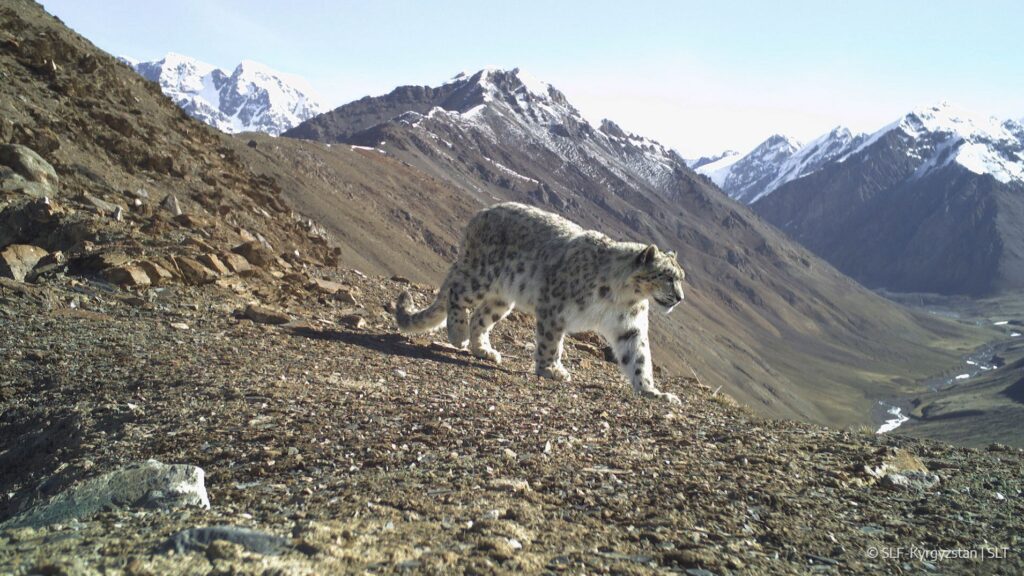 Photo Credit: Snow Leopard Foundation Kyrgyzstan Dr. Charudutt (Charu) Mishra, Executive Director of Snow Leopard Trust and co-founder of India’s Nature Conservation Foundation, spent years working with mountain communities across Asia. The principles drew on those relationships and colleagues’ experience across the snow leopard range. His 2016 book, The PARTNERS Principles for Community-Based Conservation, brought together practical lessons on building trust, understanding local circumstances, negotiating agreements, and treating communities as equal conservation partners.
He had also seen a gap in how conservationists were prepared for their work. They received extensive scientific and technical training, but little preparation for working with people whose lands, livelihoods, and futures were affected by conservation decisions. Charu remembers how isolated practitioners could feel when trying to work this way. They experimented, made mistakes, and learned, often on their own. Without a wider community to turn to, they risked repeating mistakes others had already made.
Charu remembers an encounter with a village elder after a snow leopard had been killed: “I remember being quite upset to learn that a snow leopard had been trapped and killed after attacking livestock. When I confronted a village elder about it, he patiently explained that he and his people, in their struggle to make a living and care for their children, simply could not protect snow leopards, even if they were willing to. I was already a trained researcher and had been studying nature conservation at university, but that conversation was one of my first real-world lessons in the field. People must have the means to coexist with wildlife; goodwill alone is not enough.”
Conservation appeals to people’s values and concern for other species, yet its history includes displacement, exclusion, and oppression of Indigenous Peoples and local communities. Charu had seen practitioners treat the people living alongside wildlife as obstacles rather than as rights-holders, knowledge-holders, and potential conservation leaders. Protecting land by excluding people could attract investment in enforcement, while building relationships received too little attention. Changing that approach meant examining how conservationists treated people and animals, handled conflict, and understood success.
The people in Kashka Suu spoke openly about the values behind their work. Charu remembers an honesty he had rarely encountered in scientific meetings. “I had never attended a conservation conference or workshop where someone could say, without hesitation, ‘Effective nature conservation depends on love, not only for nature, but for people as well.’” Accomplished scientists and practitioners were speaking about care and empathy alongside scientific rigor. The gathering made it possible to recognize a shared commitment and begin thinking about what they could do together.
Charu recalls: “More than any single exchange, it was the spirit in that room. Here was a group of highly accomplished conservationists and Indigenous leaders from around the world, willing to share not just their experiences and wisdom, but also their emotions, struggles, and vulnerabilities in nature conservation, and to support and learn from one another. A remarkable sense of shared values, trust, and collective purpose emerged. That collective commitment and synergy felt far too precious to let dissipate once everyone left Kashka Suu. We decided to find a way to sustain that spirit and build something together.”
Charu had arrived hoping to take the training to more countries. He hadn’t fully imagined it becoming a larger movement in ethical nature conservation, or PARTNERS training becoming part of university or government curricula. The experience and commitment of the people gathered there helped him see broader possibilities. Together, they began thinking about a movement that could change conservation practice.
At the end of the week-long workshop, conservation and Indigenous leaders from 22 countries issued the Kashka Suu Statement on 2 December 2022. They called for ethical, effective, community-centered conservation. The Kyrgyz government subsequently referenced the statement at the Conference of the Parties to the Convention on Biological Diversity in Montreal.
The relationships formed in Kashka Suu would become the foundation of the Ethical Conservation Alliance.
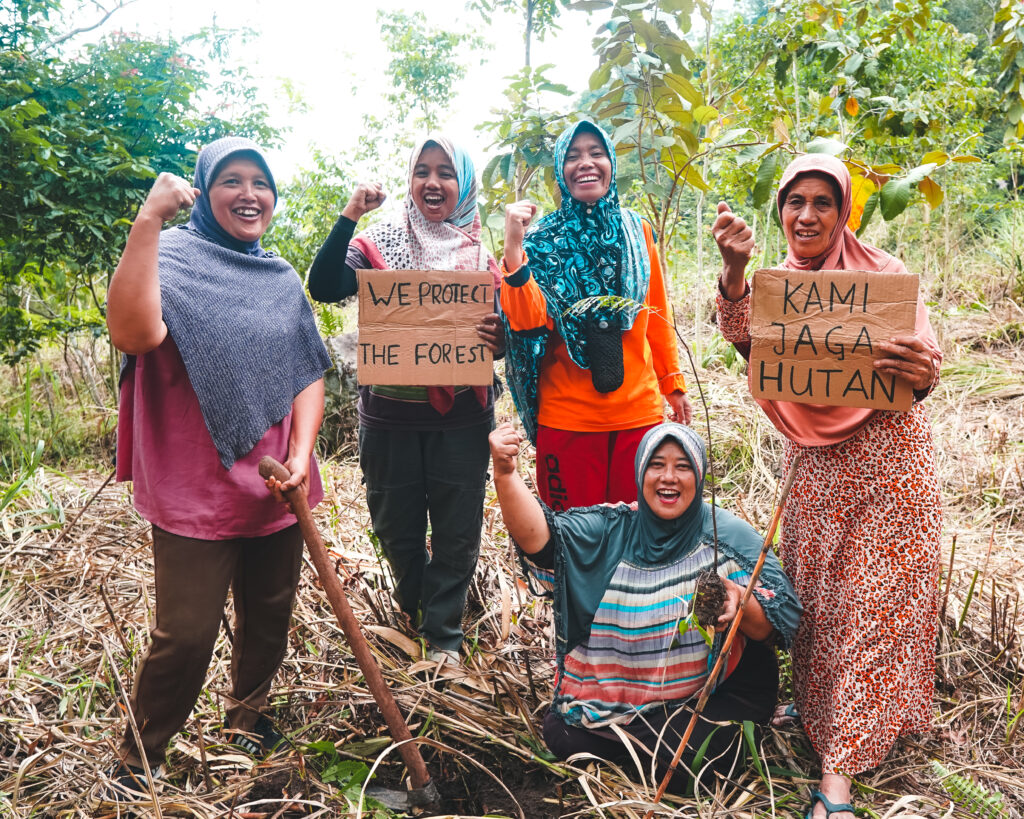 Women-led ranger team in Damaran Baru, Indonesia. Photo credit: Natasha Larasati |


