
From Training to Practice: Community-Based Conservation and Coexistence
By Yangzom Tamang
As someone from the remote Mugu in Nepal, living close to nature and wildlife, I have been passionate about nature, wildlife, and communities since my childhood. This early connection inspired me to learn more and be close to nature, and I am now pursuing a bachelor’s degree in forestry at the Institute of Forestry, Pokhara Campus.
During my academic journey, I was incredibly fortunate to be selected for the training-of-trainers workshop on “PARTNERS Principles for Effective and Ethical Conservation Engagement with Indigenous Peoples and Local Communities”, held in Hustai National Park, Mongolia, in February 2025. This was a remarkable opportunity for me, coming from Nepal’s remote mountain region, where community and conservation are interconnected. This training expanded my knowledge and inspired me to share it with my community. Following my training, I had the opportunity to apply my new knowledge and skills in Nepal.
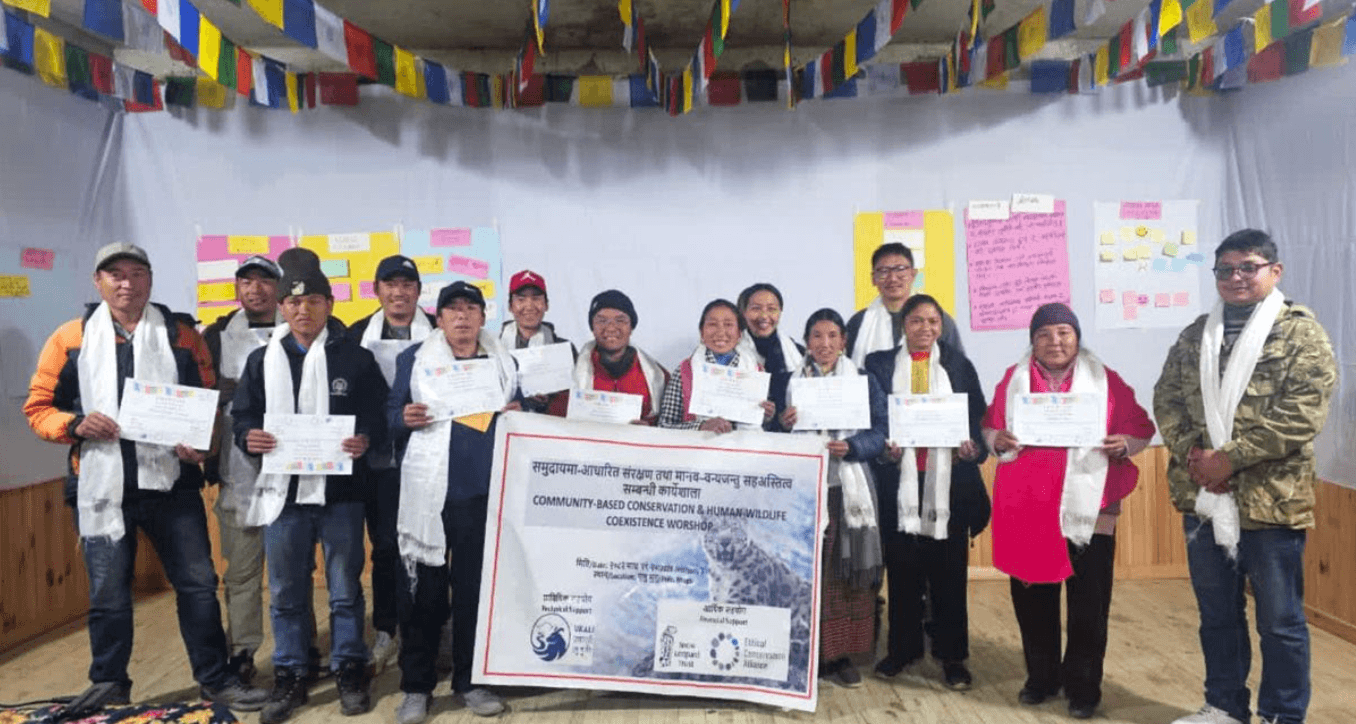
As part of my commitment to share these lessons, I successfully organized a two-day workshop titled “Community- Based Conservation and Human–Wildlife Coexistence in Mugu” on February 2-3, 2026, at Hotel Kanjirowa in Jumla.
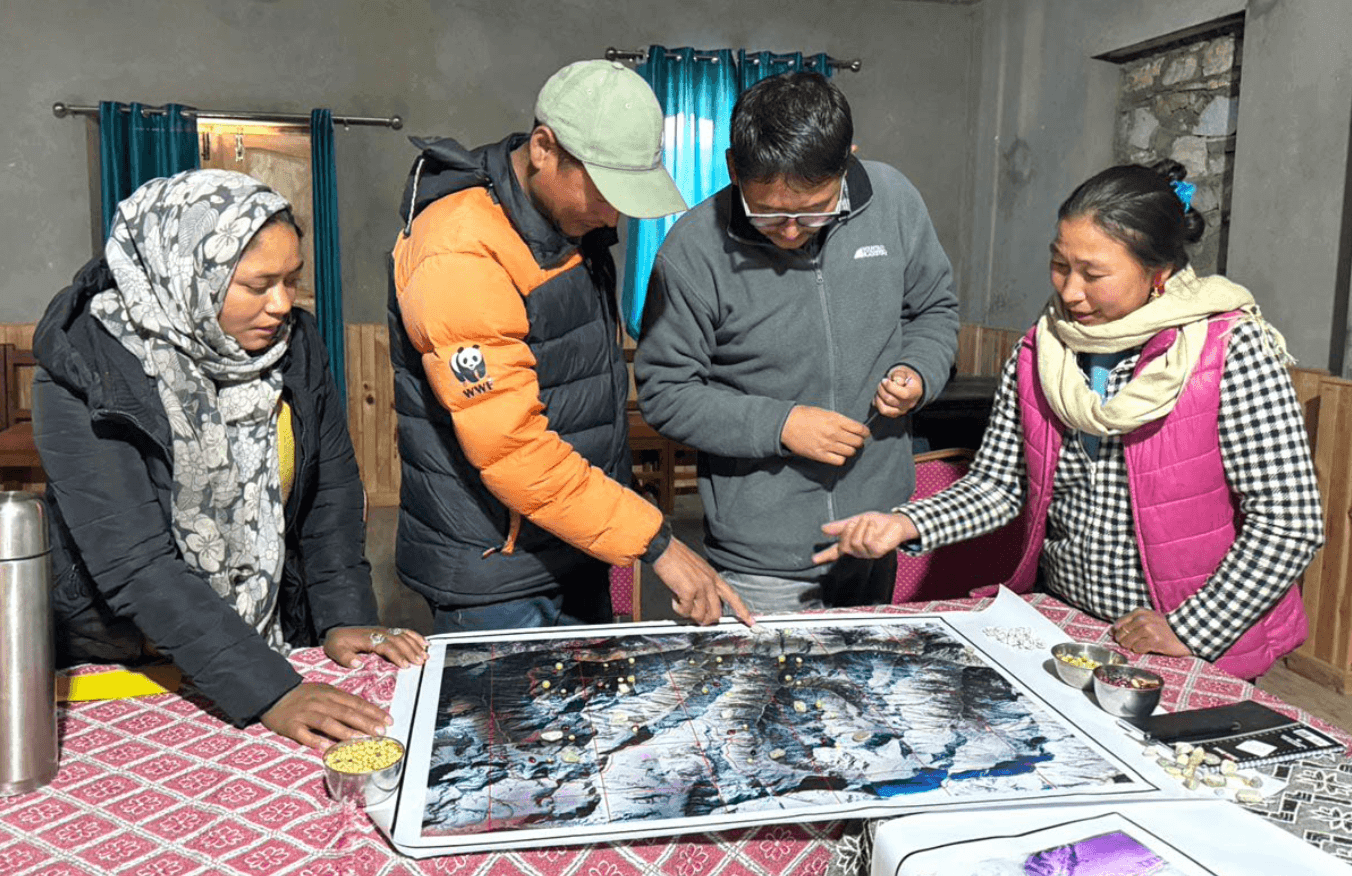
The workshop brought together 15 participants, comprising local community members, herders, forestry professionals, school teachers, social activists, and conservation stakeholders, creating a space to share and reflect on local experiences of conservation conflict and community-based conservation.
The PARTNERS Principles training emphasized respecting Indigenous Peoples’ and local communities’ knowledge and ensuring meaningful participation, both of which were vital when conducting the workshop. The PARTNERS Principles also provided a valuable framework to guide discussions, helping participants explore how conservation initiatives can be more inclusive, ethical, and sustainable. During the workshop, participants actively discussed conservation conflicts, challenges, and community-led solutions. They expressed concern about relief distribution and highlighted the need to establish community-based anti-poaching units at the village level. Participants saw this as essential to reducing future conflicts and fostering coexistence by protecting snow leopards and their prey species, such as blue sheep, musk deer, and Himalayan tahr. Illegal hunting has reduced wild prey populations. Community members are willing to create a community-based anti-poaching unit to address poaching of snow leopard prey, which mainly takes place during the months of October to December, when very few households remain in the village. Participants also shared that the workshop enhanced their understanding of coexistence strategies relevant to their local context.
The two-day workshop successfully met its objectives of building local capacity, fostering dialogue among key stakeholders, integrating conservation education into school curricula, and promoting ethical community engagement in conservation. The positive feedback and active participation showed strong interest and clear demand for similar capacity-building initiatives in the future. Through this workshop, I realized the practical value of ECA’s training-of-trainers program and how it can support local capacity-building for ethical conservation engagement and human-wildlife coexistence. The training and the workshop gave me the experience and the motivation to remain committed to supporting community-based conservation efforts in Nepal.
About the author: Ms. Yangzom Tamang is a bachelor’s degree student in forestry at the Institute of Forestry, Pokhara Campus.